Contractual disputes
We handle disputes regarding non-performance or defective performance of commercial contracts.
- Claims actions and penalty clause activation
- Contract annulment for consent defects
- Resolution and termination for non-performance
Strategic court representation
A commercial dispute is not just a disagreement—it's a costly business interruption. When negotiations fail and the conflict reaches the courts, the objective shifts: efficiency, strategy, and rigorous case management are needed to achieve a favorable outcome in the shortest time possible.
TGZ Legal provides comprehensive assistance and court representation services, approaching litigation not as a battle of egos, but as a business problem requiring a strategic solution. The foundation of our court work is perfect mastery of the procedural rules established by the Civil Procedure Code.

Our extensive experience in dispute resolution has shown us a fundamental truth: success in the courtroom is merely an effect. The real cause of success is meticulous preparation.
Common strategic mistakes
When to contact us
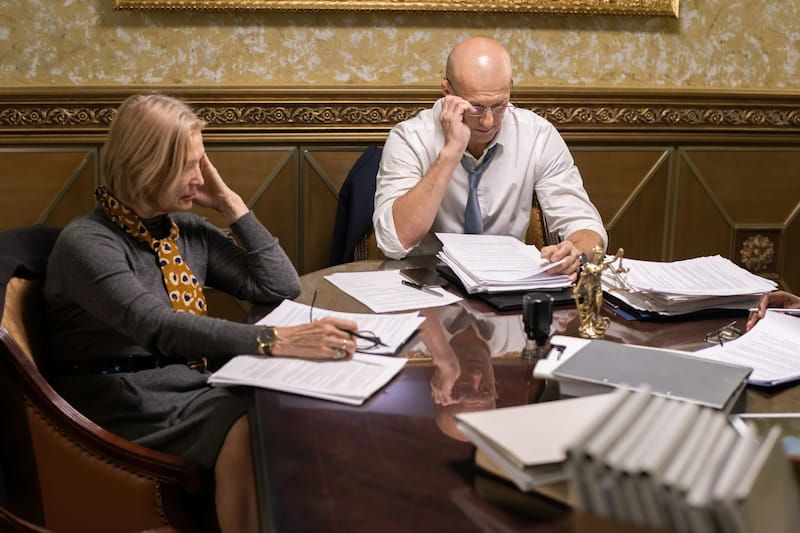
We specialize in the particularities of commercial litigation, technically known as "disputes between professionals." These often involve a high level of technical and financial complexity.
We handle disputes regarding non-performance or defective performance of commercial contracts.
We represent in shareholder conflicts and corporate governance disputes.
We protect commercial interests against acts of unlawful competition.
We assist creditors and debtors in insolvency proceedings.
We defend companies' intellectual property rights.
We actively promote alternative solutions when in the client's interest.
TGZ Legal's approach is structured and transparent, focusing on meticulous preparation and efficient evidence administration.
We honestly and directly assess the chances of success using AI, risks, estimated costs, and probable duration of the litigation. We provide the client with a clear picture for an informed business decision.
We collaborate with the client to collect and organize all evidence: documents, contracts, correspondence, necessary expert reports.
We define the defense or attack line, anticipate the opposing party's moves, and prepare responses to counter-arguments.
We ensure strict compliance of the statement of claim or statement of defense with the requirements of the Civil Procedure Code.
We argue the case with professionalism and rigor before all levels of jurisdiction: first instance, appeal, and cassation (Supreme Court).
Appeals
First instance
Complete representation in the trial phase, where evidence is administered and the facts of the case are established.
Ordinary appeal
Appeal allows complete re-trial of the case, both factual and legal aspects.
Extraordinary appeal
Cassation primarily targets aspects of illegality (incorrect application of law), not re-evaluation of facts.
Alternative
A faster and more specialized alternative to common law courts for commercial disputes.
TGZ Legal perspective
“A well-managed dispute does not simply mean winning a case — it means protecting the client's legal and commercial position in the long term. At TGZ Legal, every court action is built strategically, with clear objectives and risk under control.”
Alexandra Burdulea · Managing attorney, TGZ Legal
Duration varies significantly depending on case complexity, need for technical expert reports, and number of appeals exercised. A first instance trial can last between 1 and 3 years. Including appeals (appeal and cassation), a complex dispute can last over 5 years.
Yes. A "dispute between professionals" refers to any dispute arising from the activity of a company or authorized natural person. Although procedural rules are largely the same as in civil litigation (e.g., divorce), commercial disputes often involve much more technical evidence (accounting expert reports, financial analyses) and are tried before specialized panels at tribunal level.
The most common mistake is inadequate evidence preparation and treating litigation as a matter of pride rather than a business decision. Many companies fail to keep orderly documentation (emails, minutes, notices) that becomes vital in court. Another mistake is missing procedural deadlines, which can result in losing the right to administer evidence.
No. We actively promote alternative solutions. Mediation or direct negotiation can be much more efficient and less costly. An amicable solution allows parties to resume commercial relations, while court proceedings usually destroy them permanently.
They are remedies against the first instance judgment. Appeal allows complete re-trial of the case (both factual and legal aspects) by the higher court. Cassation is generally an extraordinary remedy, heard by the High Court of Cassation and Justice (or Court of Appeal) and primarily targets only aspects of illegality (incorrect application of law), not re-evaluation of facts.
Send us the dispute context and within 24h we'll return with a preliminary assessment and available options.